
Preschool
Program 2022
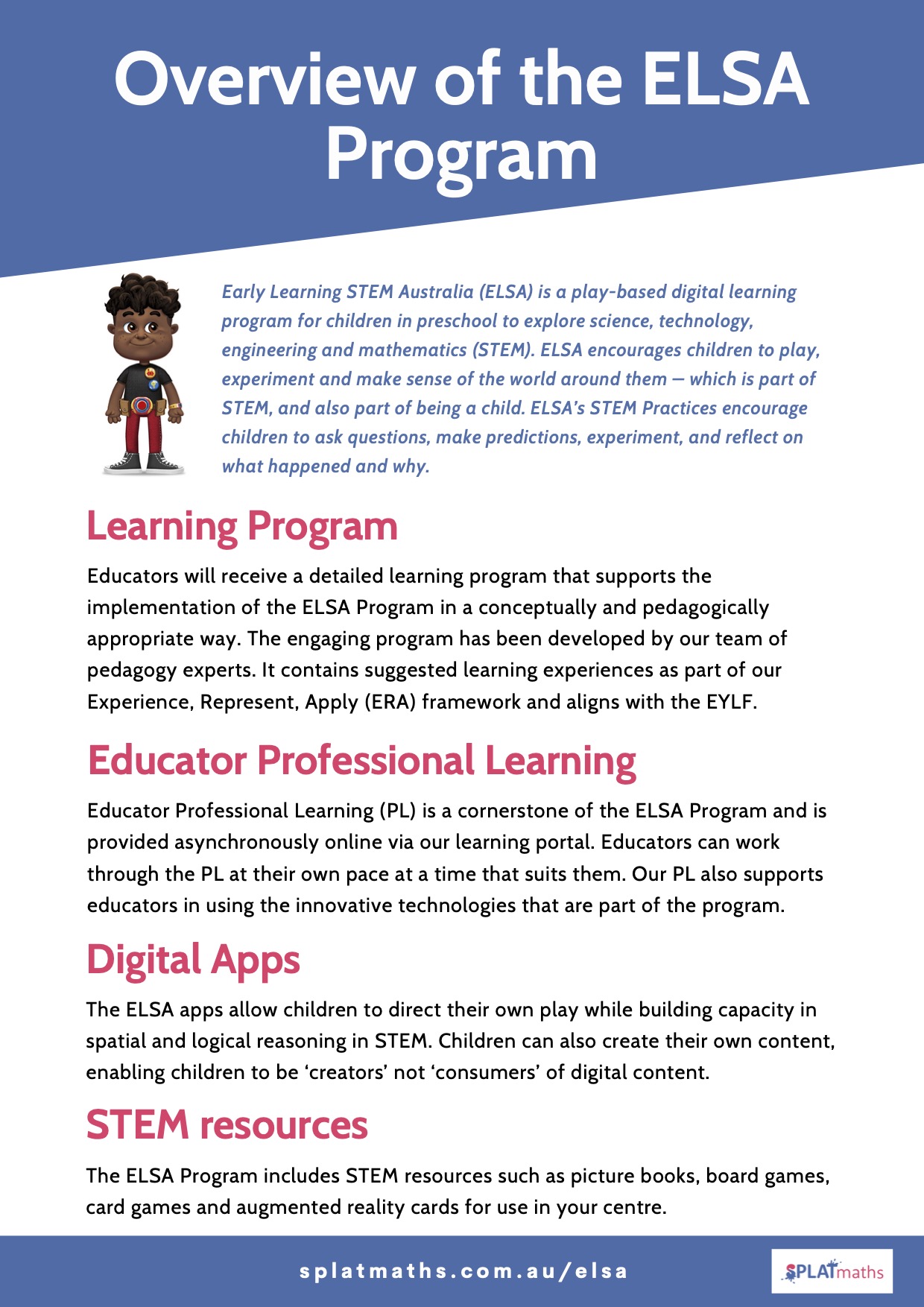
Our Early Learning STEM Australia (ELSA) Preschool program features 16 children’s apps grouped under 4 pedagogical themes, an Educator app, a Families web-app, 100+ off-app activities that align to the Early Years Learning Framework (EYLF), pedagogical learning frameworks, professional learning modules, as well as resources that accompany certain app activities—such as picture books and STEM games. Watch the video below and click on the accordion menu to find out more!
More about the ELSA Preschool Program
Read a transcript of the video above about the ELSA Preschool Program, with Luke Carroll.
Your Title Goes Here
Your content goes here. Edit or remove this text inline or in the module Content settings. You can also style every aspect of this content in the module Design settings and even apply custom CSS to this text in the module Advanced settings.
Your Title Goes Here
Your content goes here. Edit or remove this text inline or in the module Content settings. You can also style every aspect of this content in the module Design settings and even apply custom CSS to this text in the module Advanced settings.
Blank
Your content goes here. Edit or remove this text inline or in the module Content settings. You can also style every aspect of this content in the module Design settings and even apply custom CSS to this text in the module Advanced settings.
Theme 1: Patterns and Relationships
The ELSA preschool program includes SIXTEEN stunning digital apps for children, grouped under four pedagogical themes. Our apps have been developed by leading Australian app-development companies in conjunction with SPLAT-maths’ academic and professional team.
The ELSA apps have been designed so that children can direct their own play while building capacity in spatial and logical reasoning in STEM. Importantly, the apps collect children’s STEM literacy data in a play-based way, without time-consuming formal assessments.
Theme 1: Patterns and Relationships
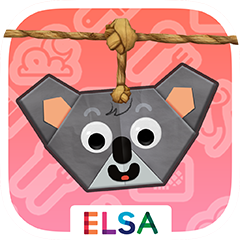
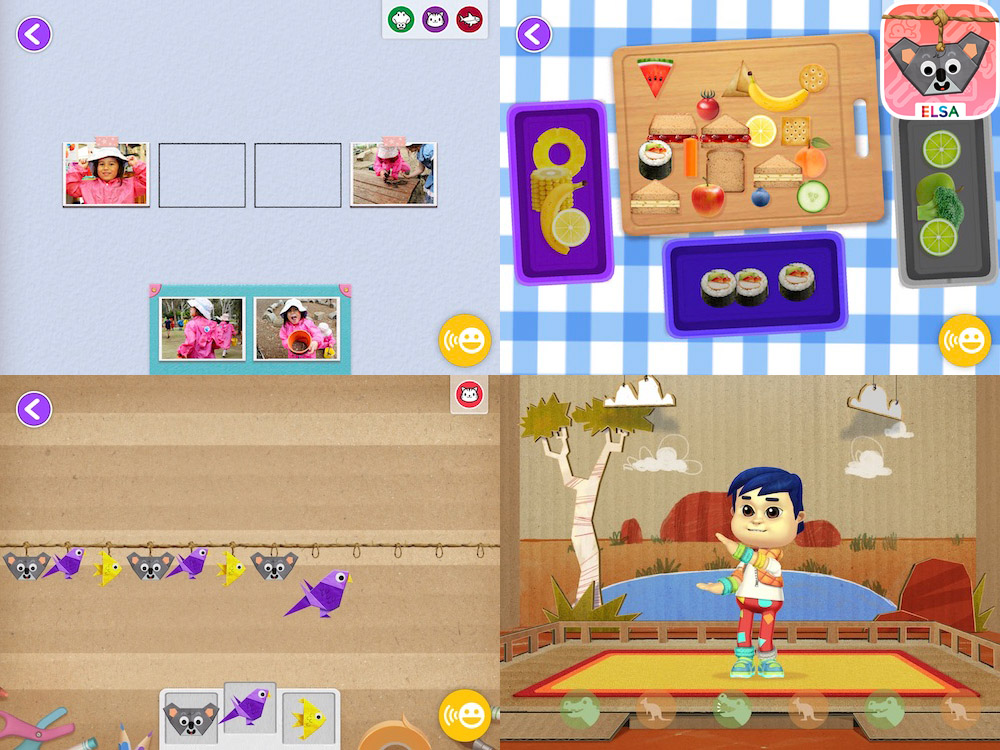
ELSA Patterns and Relationships is full of opportunities for children to play and engage with the STEM Practices while ordering a photo story, sorting food in lunchboxes, patterning with colourful animals and objects, and representing a dance with symbols.
Early Years Learning Framework (EYLF)
Activities on ELSA’s Patterns and Relationships app, as well as off-app activities in our Experience, Represent, Apply (ERA) cycle, are aligned to outcomes 1, 4 and 5 from the Early Years Learning Framework (EYLF).
Outcome 1 – Children have a strong sense of identity
Children develop their emerging autonomy, inter-dependence, resilience and sense of agency with activities such as Let’s line up. Here children work together and negotiate to arrange themselves in order of size. Also, the on-app activity Lunch boxes encourages children to work collaboratively.
Outcome 4 – Children are confident and involved learners
Children develop dispositions for learning with many of the dance activities, such as Let’s copy a music pattern (where children star in their own band and copy patterns with musical instruments), and the on-app activity Let’s dance. Children transfer and adapt what they have learned from one context to another when you use the ERA activities to support their learning.
Outcome 5 – Children are effective communicators
Children begin to understand how symbols and patterns work with the on-app activity Let’s decorate. Here they copy, extend and create patterns. Children use information technology to investigate ideas and represent their thinking with all the on-app activities in ELSA.
The 4 Apps in Theme 1
Ordering
Sorting
Patterning
Representing
Theme 2: Location and Arrangement
Theme 2: Location and Arrangement
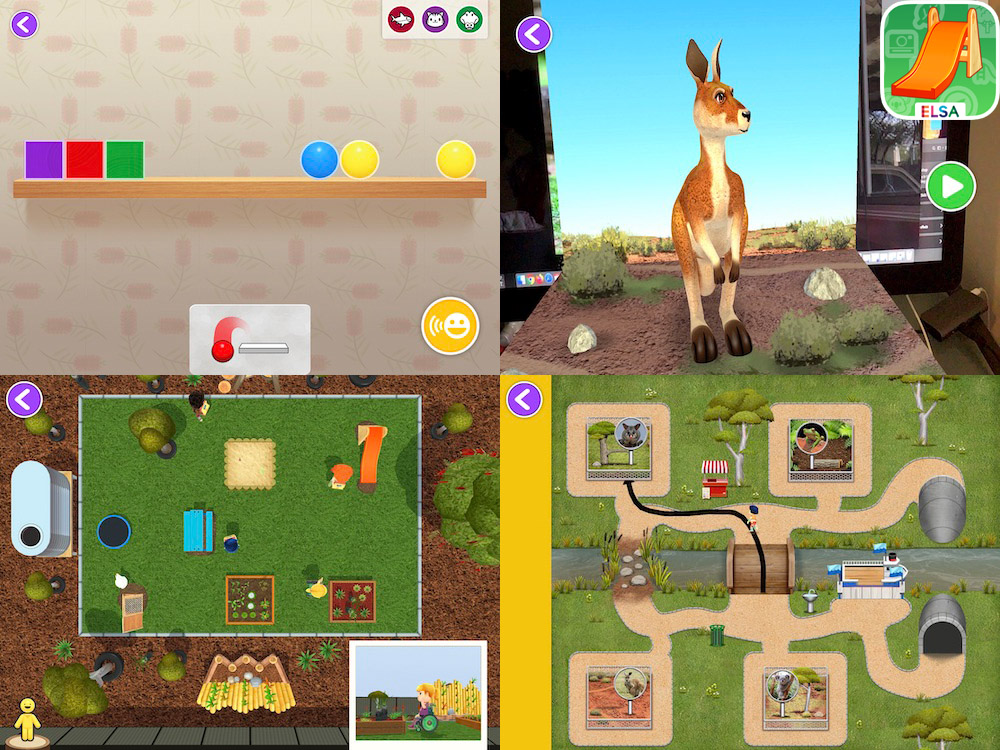
Location and Arrangement is full of opportunities for children to play and engage with STEM Practices while moving objects on shelves and using positional language, hiding and finding animated (augmented reality) animal cards, arranging playground equipment on a map and then working out who took the photos, and following directions to navigate through a zoo.
Early Years Learning Framework (EYLF)
Activities on ELSA’s Location and Arrangement app, as well as off-app activities in our ERA cycle, are aligned to outcomes 1, 2, 4 and 5 from the Early Years Learning Framework (EYLF).
Outcome 1 – Children have a strong sense of identity
- Children develop their emerging autonomy, inter-dependence, resilience and sense of agency.
- Children learn to interact in relation to others with care, empathy and respect.
Outcome 2 – Children are connected with and contribute to their world
- Children develop a sense of belonging to groups and communities and an understanding of the reciprocal rights and responsibilities necessary for active community participation.
- Children become aware of fairness.
Outcome 4 – Children are confident and involved learners
- Children develop dispositions for learning such as curiosity, cooperation, confidence, creativity, commitment, enthusiasm, persistence, imagination and reflexivity.
- Children develop a range of skills and processes such as problem solving, inquiry, experimentation, hypothesising, researching and investigating.
Outcome 5 – Children are effective communicators
- Children interact verbally and non-verbally with others for a range of purposes.
- Children express ideas and make meaning using a range of media.
- Children use information and communication technologies.
The 4 Apps in Theme 2
Position
Location
Arrangement
Orientation
Theme 3: Representations
Theme 3: Representations
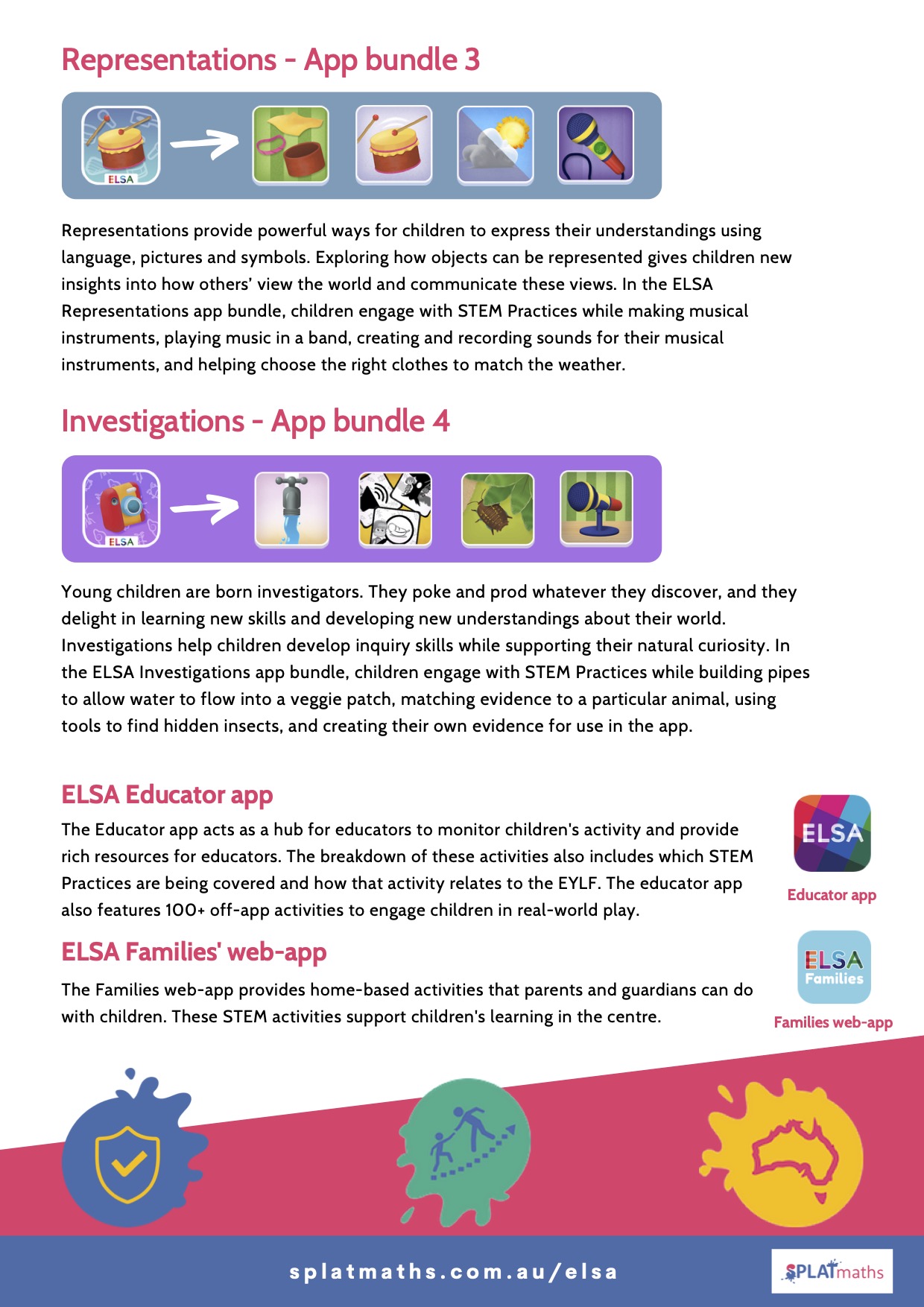
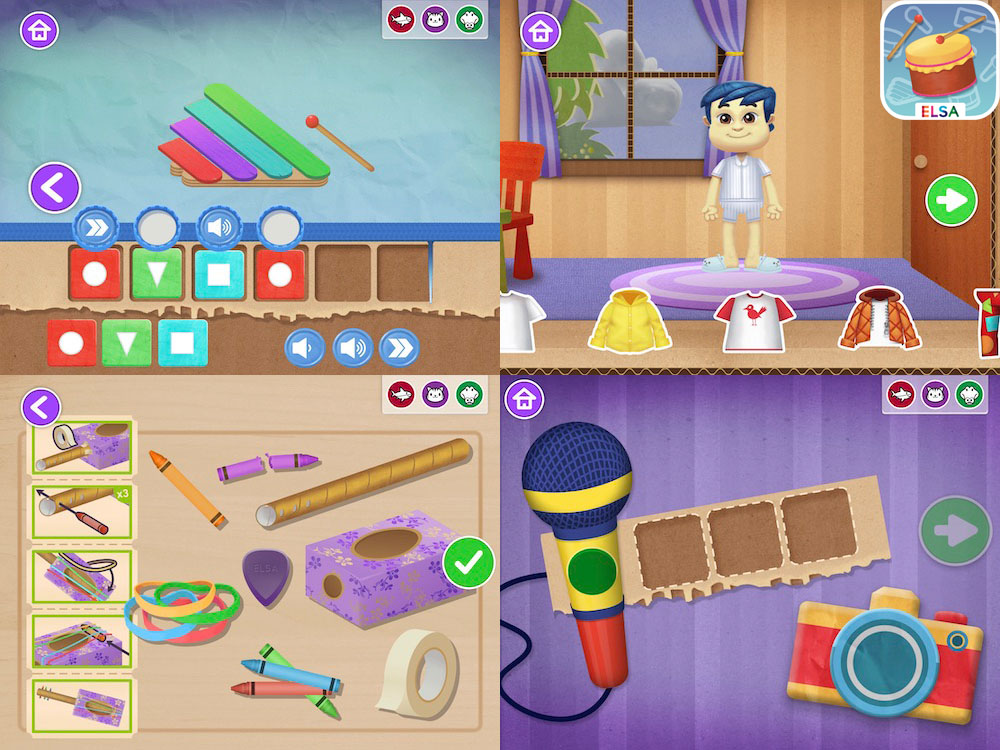
Representations is full of opportunities for children to play and engage with STEM Practices while making musical instruments, playing music in a band, creating and recording sounds for their musical instruments, and helping an ELSA character choose the right clothes to wear for the weather outside.
Early Years Learning Framework (EYLF)
Activities on ELSA’s Representations app, as well as off-app activities in our ERA cycle, are aligned to outcomes 1, 2, 4 and 5 from the Early Years Learning Framework (EYLF).
Outcome 1 – Children have a strong sense of identity
- Children develop their emerging autonomy, inter-dependence, resilience and sense of agency.
- Children learn to interact in relation to others with care, empathy and respect.
Outcome 2 – Children are connected with and contribute to their world
- Children develop a sense of belonging to groups and communities and an understanding of the reciprocal rights and responsibilities necessary for active community participation.
- Children become aware of fairness.
Outcome 4 – Children are confident and involved learners
- Children develop dispositions for learning such as curiosity, cooperation, confidence, creativity, commitment, enthusiasm, persistence, imagination and reflexivity.
- Children develop a range of skills and processes such as problem solving, inquiry, experimentation, hypothesising, researching and investigating.
Outcome 5 – Children are effective communicators
- Children interact verbally and non-verbally with others for a range of purposes.
- Children express ideas and make meaning using a range of media.
- Children use information and communication technologies.
The 4 Apps in Theme 3
Decoding
Encoding

Conditionals

Debugging
Theme 4: Investigations
Theme 4: Investigations
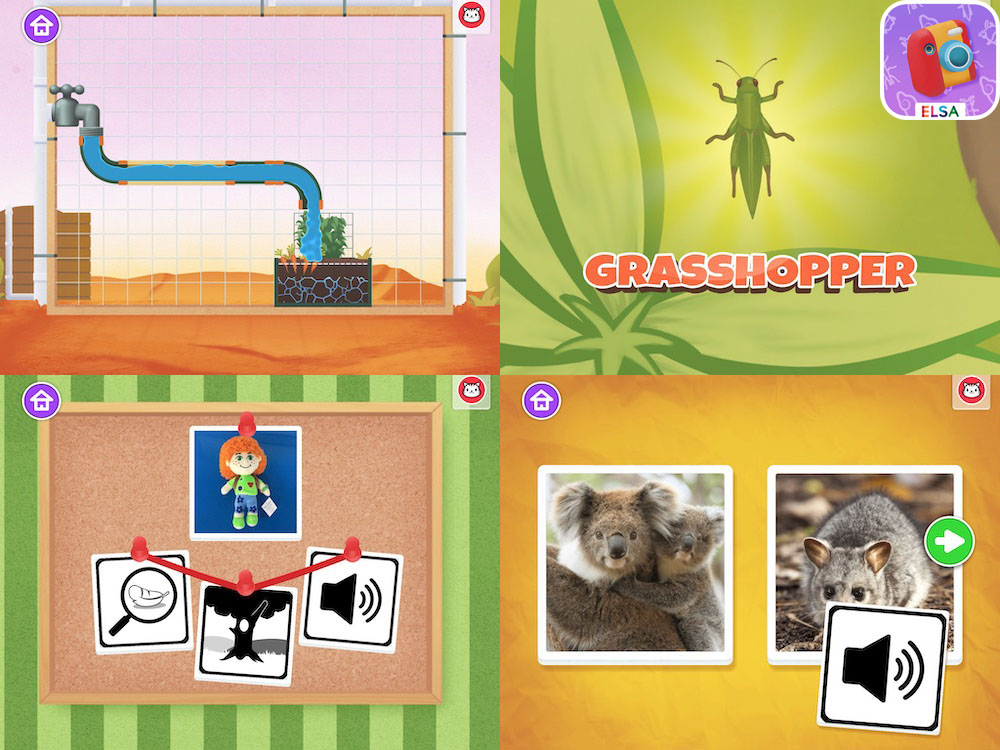
Investigations is full of opportunities for children to play and engage with STEM Practices while building pipes to allow water to flow into a veggie patch, matching evidence to a particular animal, using tools to find hidden animals in a landscape, and creating their own evidence for use in the app.
Early Years Learning Framework (EYLF)
Activities on ELSA’s Investigations app, as well as off-app activities in our ERA cycle, are aligned to outcomes 1, 2, 4 and 5 from the Early Years Learning Framework (EYLF).
Outcome 1 – Children have a strong sense of identity
- Children develop their emerging autonomy, inter-dependence, resilience and sense of agency.
- Children learn to interact in relation to others with care, empathy and respect.
Outcome 2 – Children are connected with and contribute to their world
- Children develop a sense of belonging to groups and communities and an understanding of the reciprocal rights and responsibilities necessary for active community participation.
- Children become socially responsible and show respect for the environment.
Outcome 4 – Children are confident and involved learners
- Children develop dispositions for learning such as curiosity, cooperation, confidence, creativity, commitment, enthusiasm, persistence, imagination and reflexivity.
- Children develop a range of skills and processes such as problem solving, inquiry, experimentation, hypothesising, researching and investigating.
- Children resource their own learning through connecting with people, place, technologies and natural and processed materials.
Outcome 5 – Children are effective communicators
- Children interact verbally and non-verbally with others for a range of purposes.
- Children use information and communication technologies to access information, investigate ideas and represent their thinking.
The 4 Apps in Theme 4
Observe
Propose
Verify
Explain
Educator app
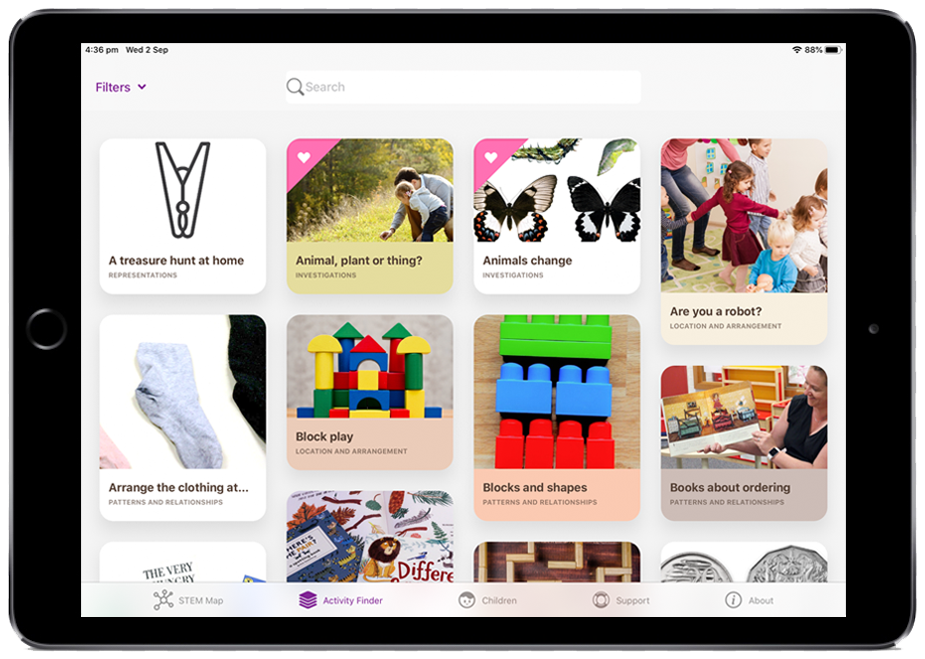
The ELSA team have developed an Educator app with more than 100 off-app activities for use in your centre and outside in the playground. The app is easy to use, with each activity giving clear instructions and suggestions so that educators can apply it to their unique context.
Early Years Learning Framework
The ELSA team have aligned each of our activities (on-app and off-app) to outcomes from the Early Years Learning Framework.
Class management and student engagement insights
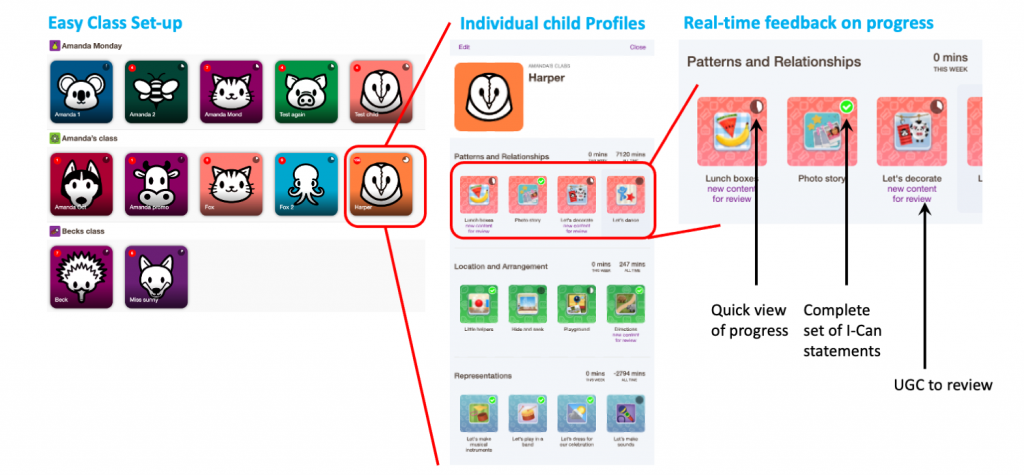
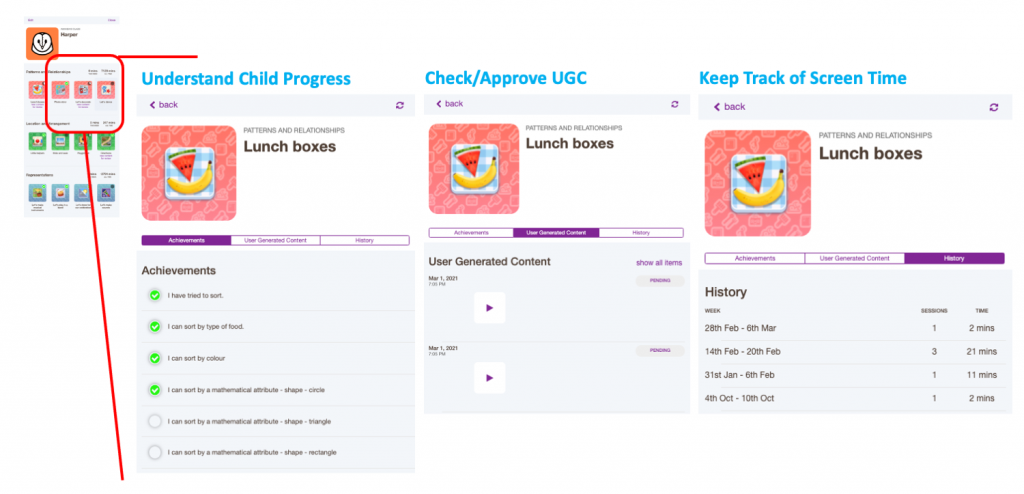
Once an educator has set up a class and created a profile for each child, they can easily monitor their progress via the children’s tab on the Educator app.
The ELSA Educator app shows children’s engagement, learning progressions, achievements and time spent on various app activities. This data is synced from the children’s apps so that educators can monitor children’s activity in real time.
Educators can also see if a child has created content (UGC) and either approve it for other children to use, or remove it.
Learning progressions and ‘I Can’ statements
Children’s learning progressions, captured by the apps, are represented in the form of ‘I Can’ statements. Examples from the Lunch Boxes (sorting) activity include , ‘I can sort by colour’ and ‘I can sort by a mathematical attribute – shape – circle’.
Pedagogical frameworks
ELSA is unique in the marketplace because of its pedagogically rich frameworks, developed by early years education experts with decades of experience in the field.
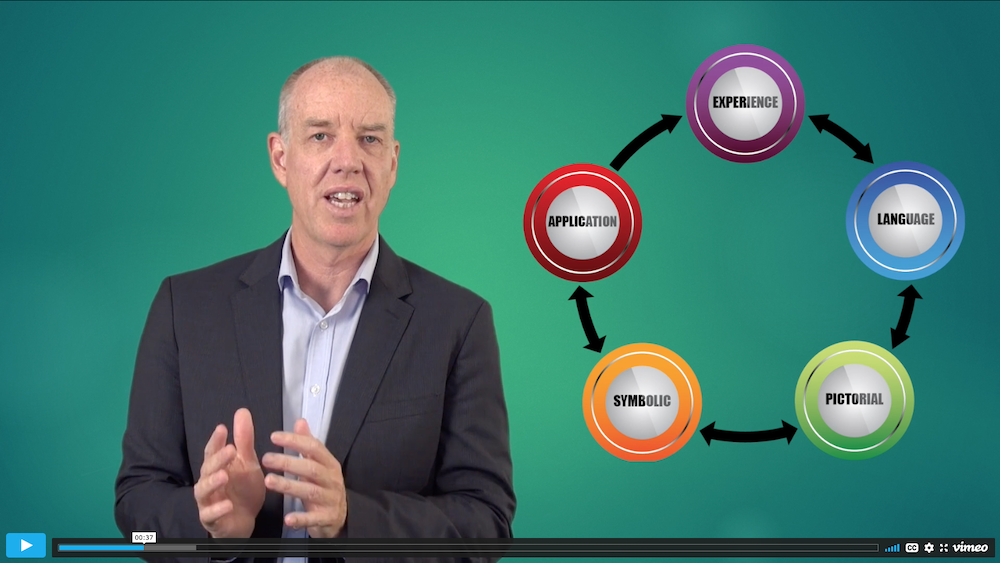
The ELSA program is grounded in two pedagogical frameworks: STEM Practices and the Experience, Represent, Apply (ERA) cycle.
STEM Practices
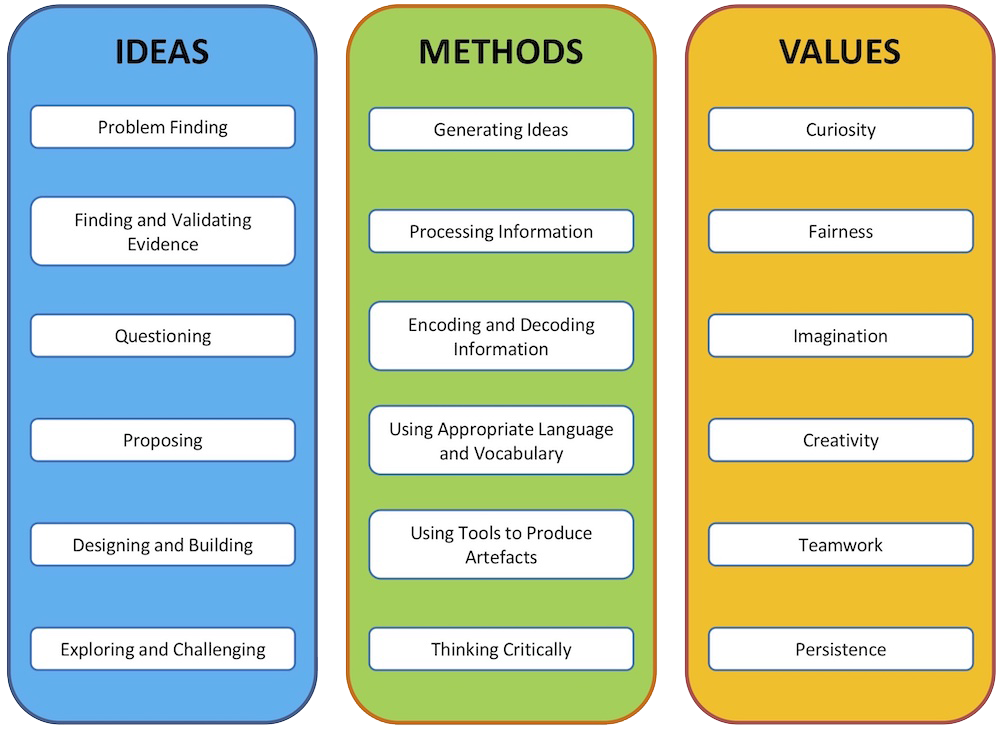
ELSA’s STEM Practices—the ideas, methods and values that underpin STEM—encourage children to ask questions, make predictions, experiment, and reflect on what happened and why.
Each on-app and off-app activity is linked to one or more of the STEM Practices listed below.
ERA cycle
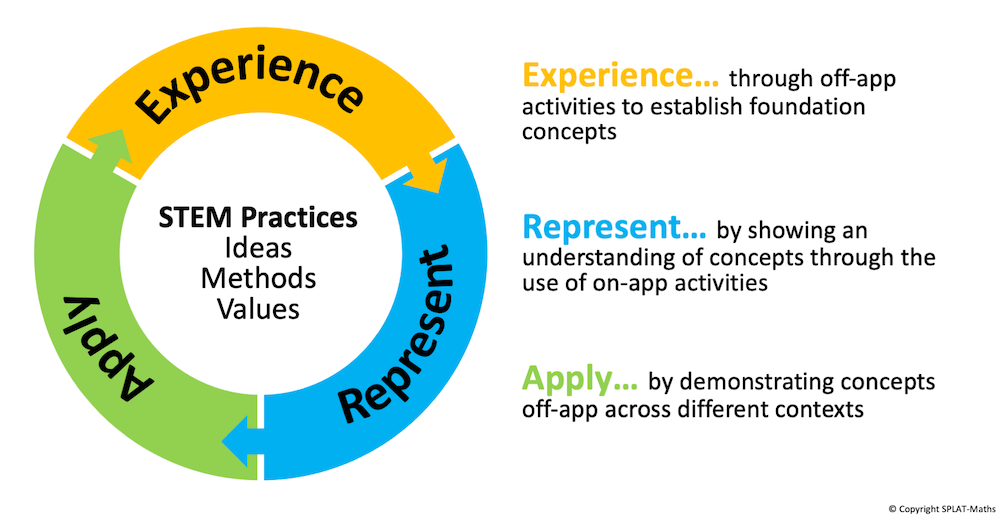
ELSA successfully blends digital play and physical play, cycling children through off-device and on-device usage, ensuring screen-time is productive and well-regulated.
Our Experience, Represent, Apply (ERA) framework provides educators with the know-how to integrate digital technologies within authentic learning contexts.
The framework suggests that two-thirds of the ELSA program be undertaken ‘off-app’—in the classroom, on the mat, or outside in nature. The ELSA apps constitute the ‘Represent’ portion of the framework below.
User-generated content (UGC)
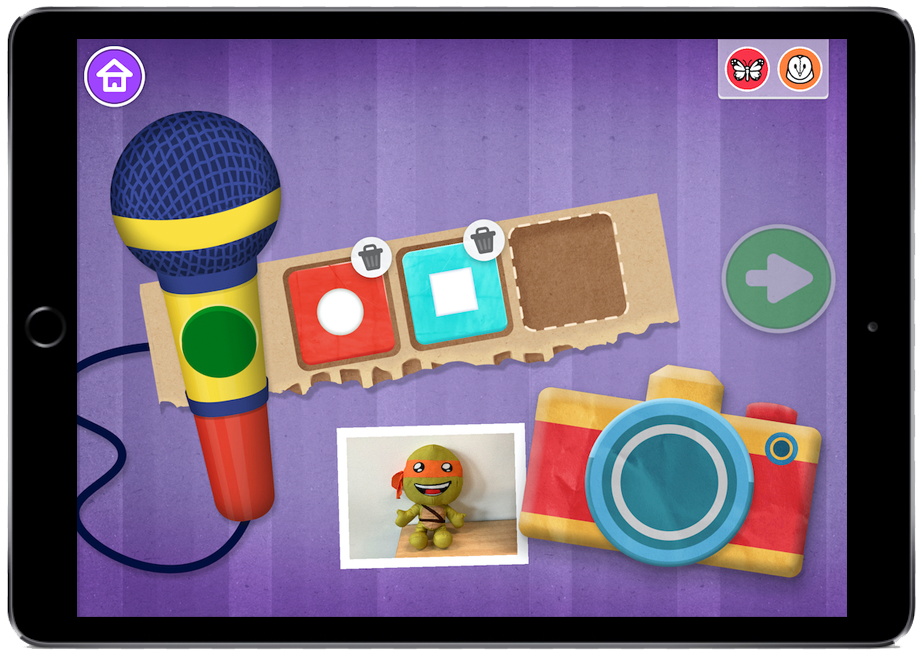
A key aspect of ELSA’s pedagogical frameworks is the ability for children to create their own content (UGC) and share it with their friends.
While using the ELSA apps, children are encouraged to use digital tools to capture the world around them and create their own content. This connects their real-world experiences to virtual worlds and ensures screen time is an active experience.
User-generated content is then seamlessly integrated into future on-app activities, enabling children to be ‘active creators’ not ‘passive consumers’ of digital content.
The ELSA apps also provide real-time feedback to educators about the content children have created. Educators are then able to review this content before it is shared.
Professional learning
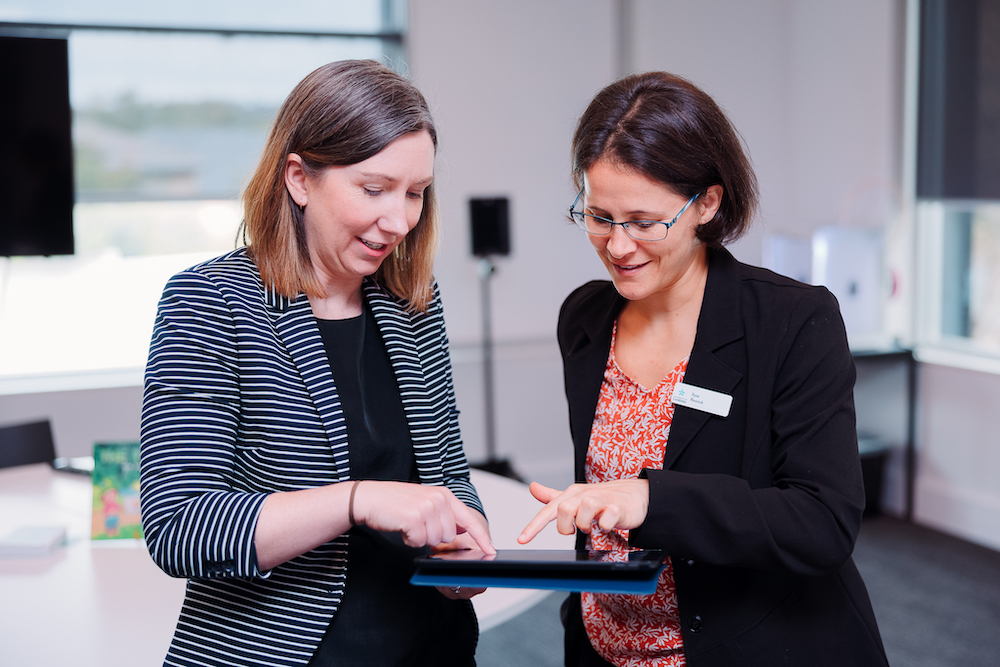
Professional learning (PL) is currently delivered virtually. ELSA educators have special access to our self-paced online professional learning course. Here educators will find modules with videos and resources that target their specific needs.
The ELSA team
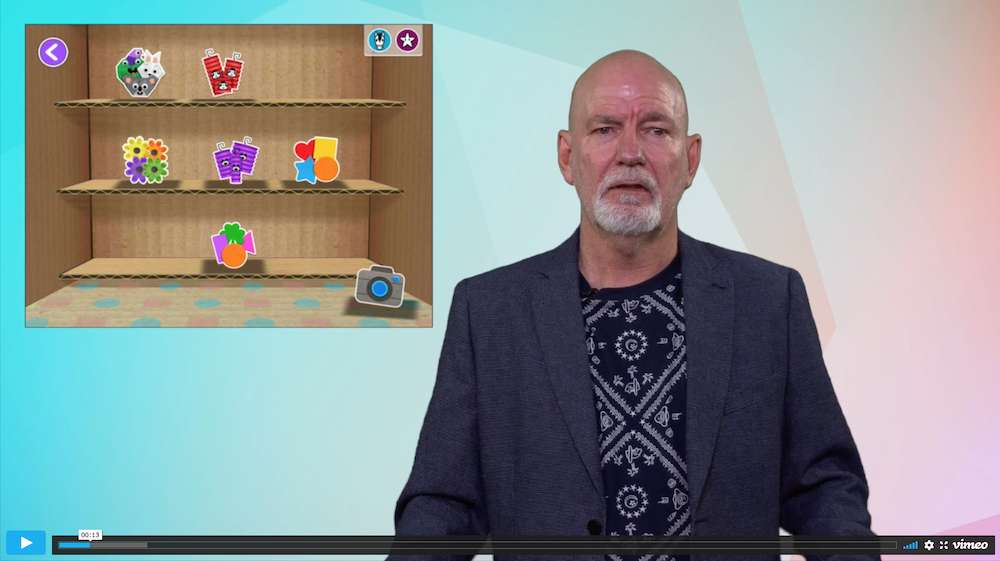
The ELSA team deliver all our PL sessions. This team consists of world-renowned early learning experts, including:
Picture books and STEM games
The ELSA program includes a series of physical resources that extend children’s learning in the centre and outside in nature. These resources include:
- four picture books
- a zoo board game
- positional language cards
- an Australian bird board game
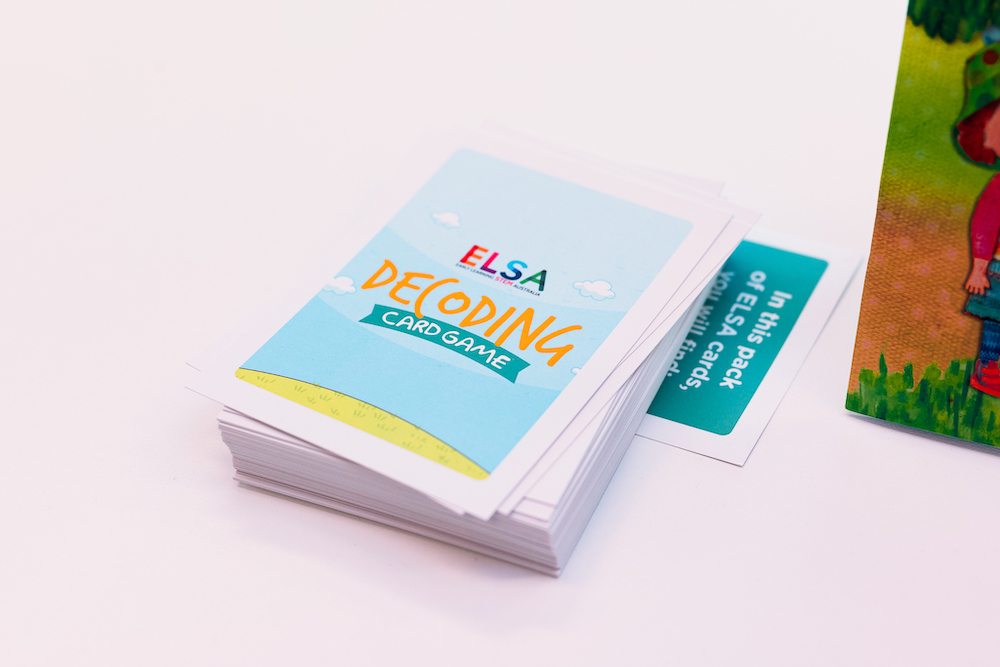
- a decoding card game
- augmented reality (AR) cards
- ELSA character plush toys
Picture books
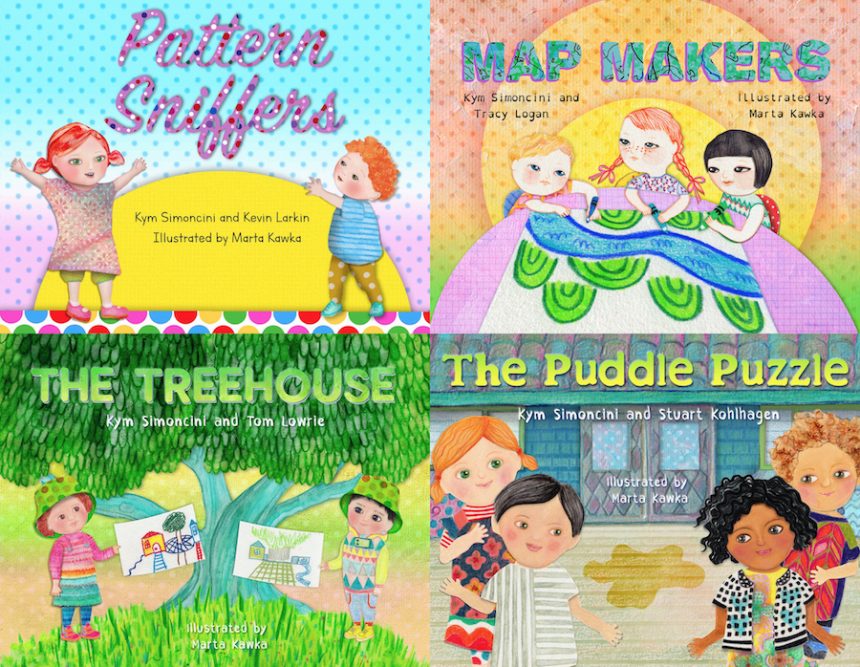
The ELSA picture books complement each of the four children’s apps, introducing and reinforcing STEM concepts to children. The books are:
- Pattern Sniffers (complements App 1: Patterns and Relationships)
- Map Makers (complements App 2: Location and Arrangement)
- The Treehouse (complements App 3: Representations)
- The Puddle Puzzle (complements App4: Investigations)
Zoo board game
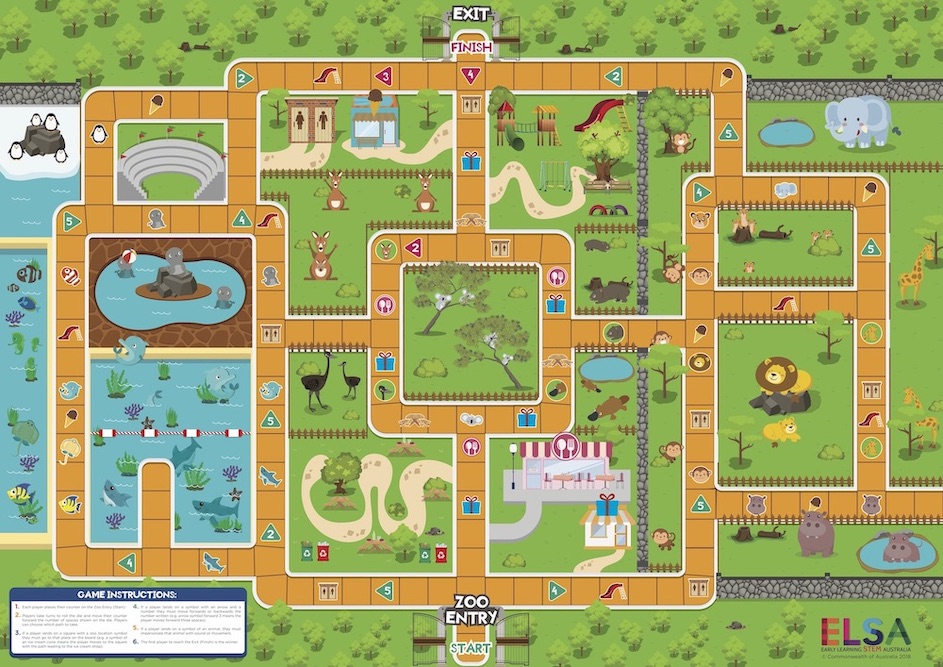
In the ELSA Zoo board game, children role the die and choose different paths as they navigate their way around a map of a zoo. When they land on a square with a special symbol, they have to follow the instructions that tell them which location or animal to visit.
Positional language cards
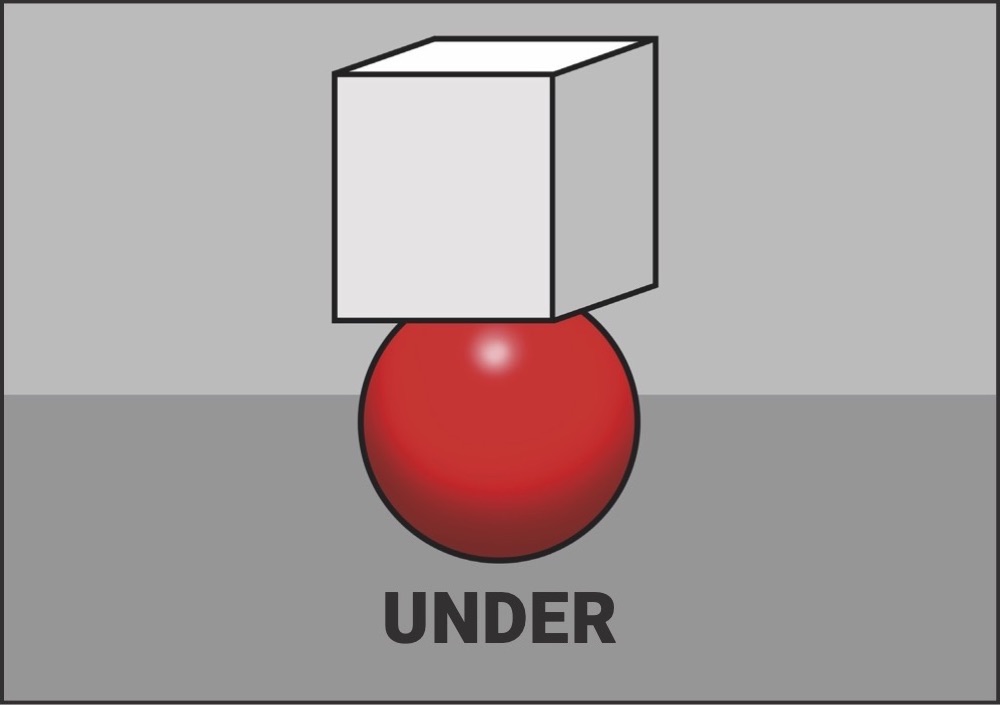
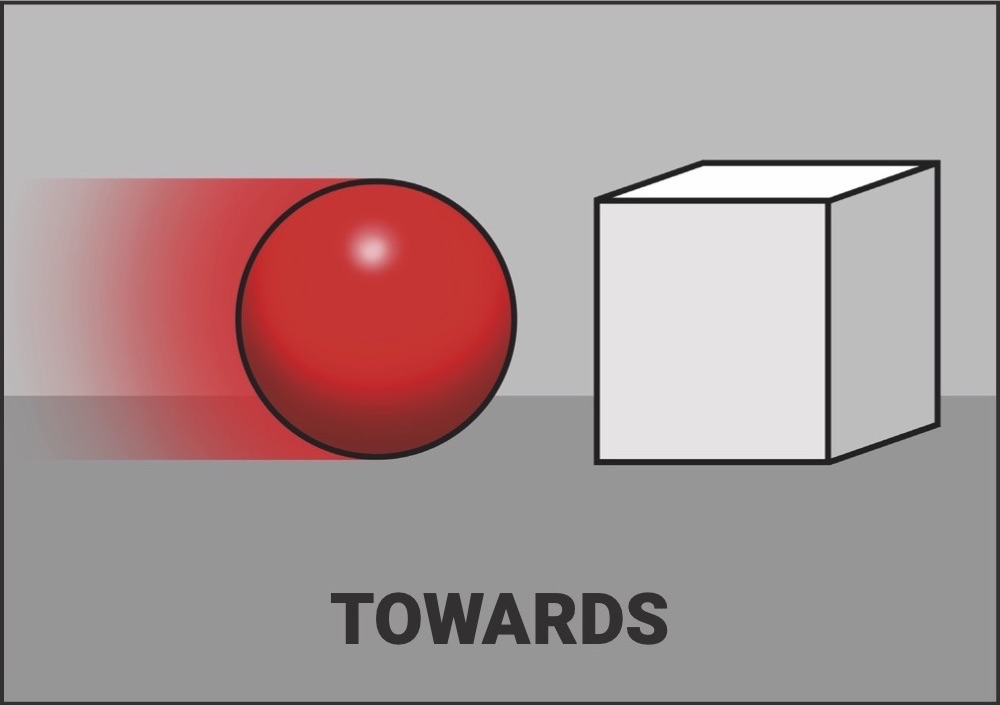
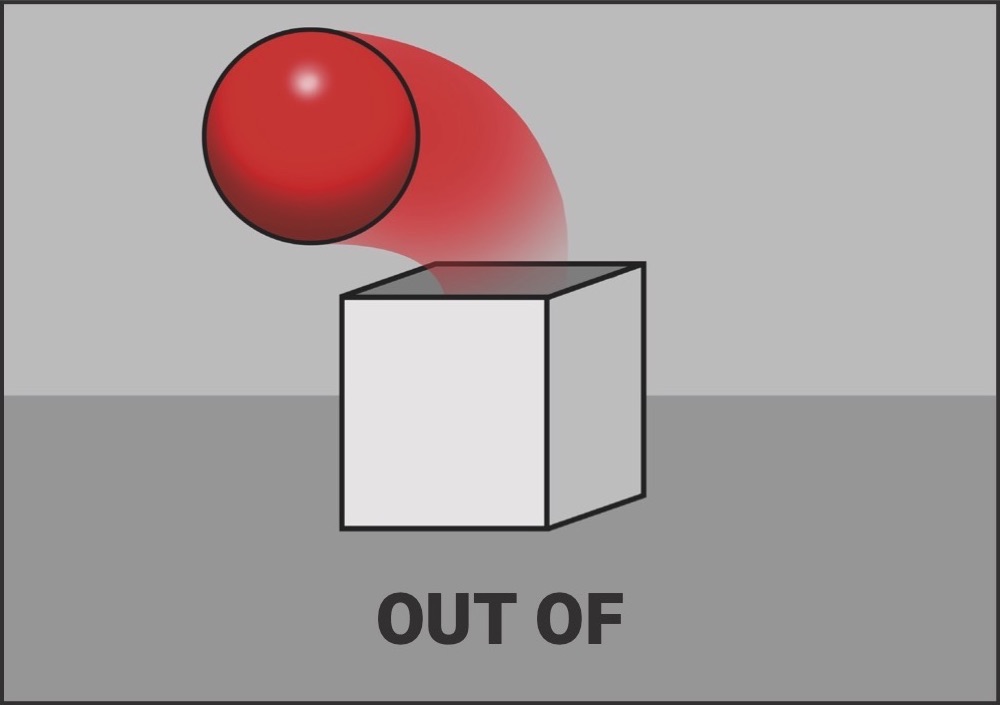
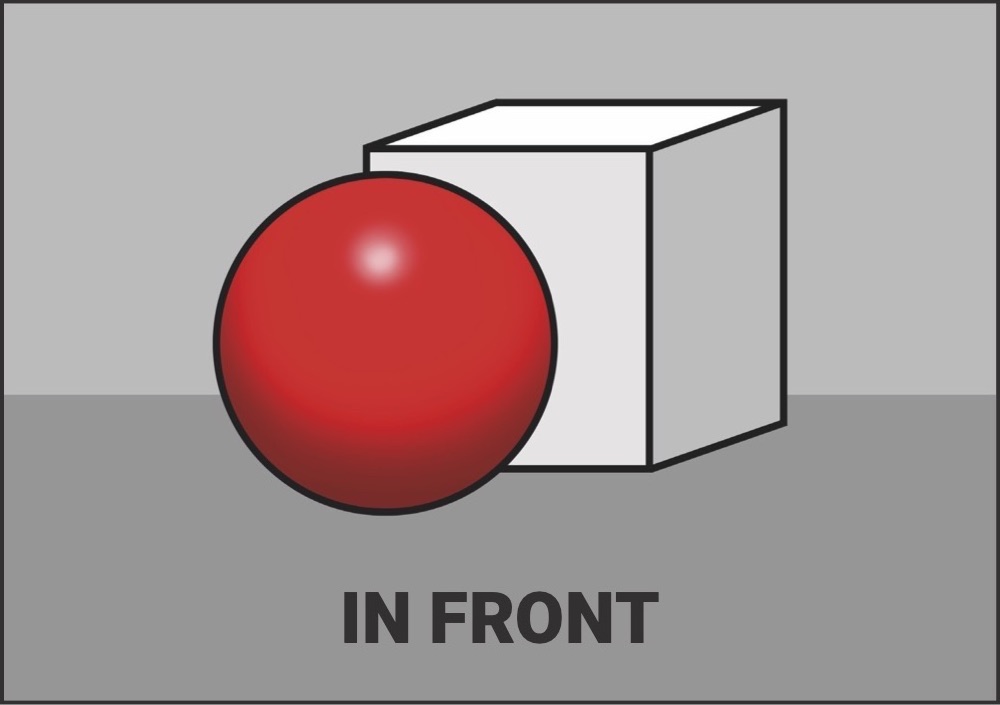
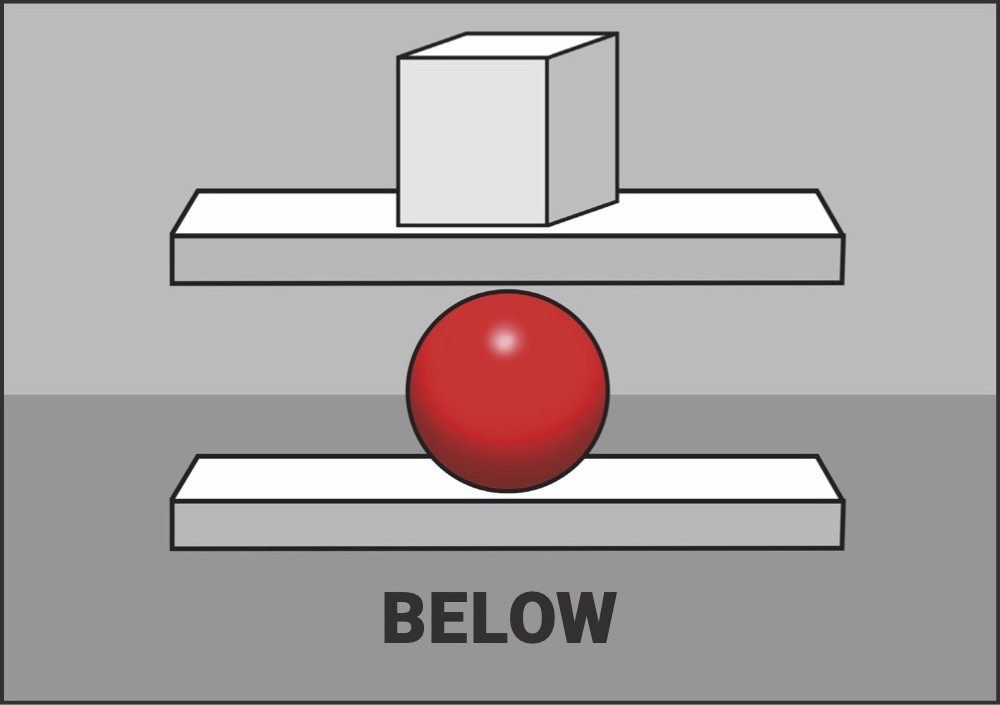
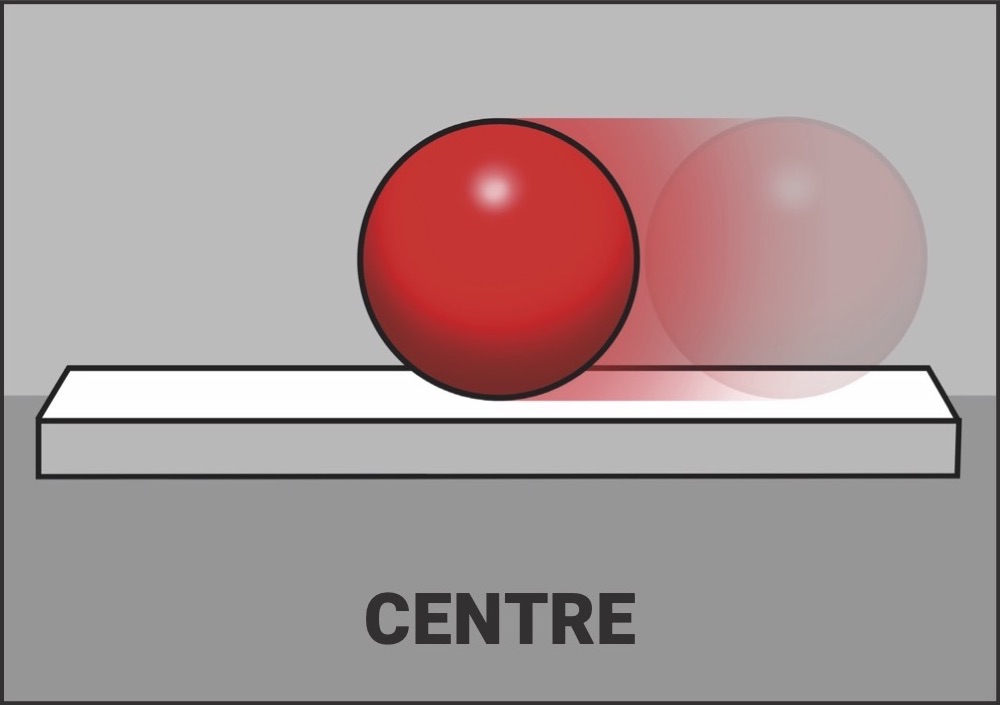
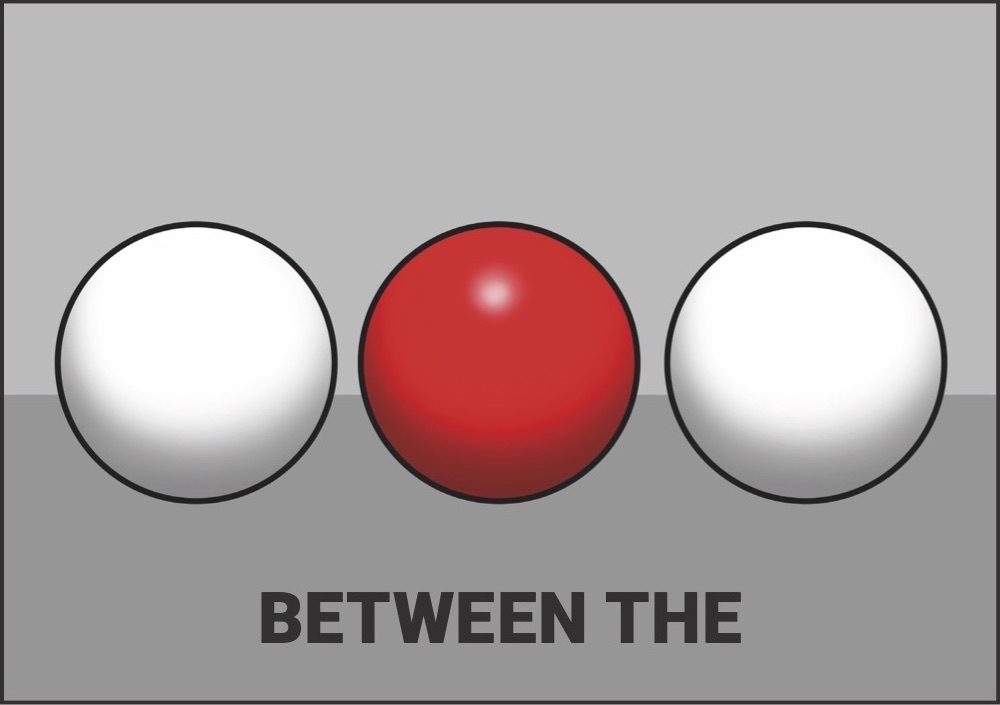
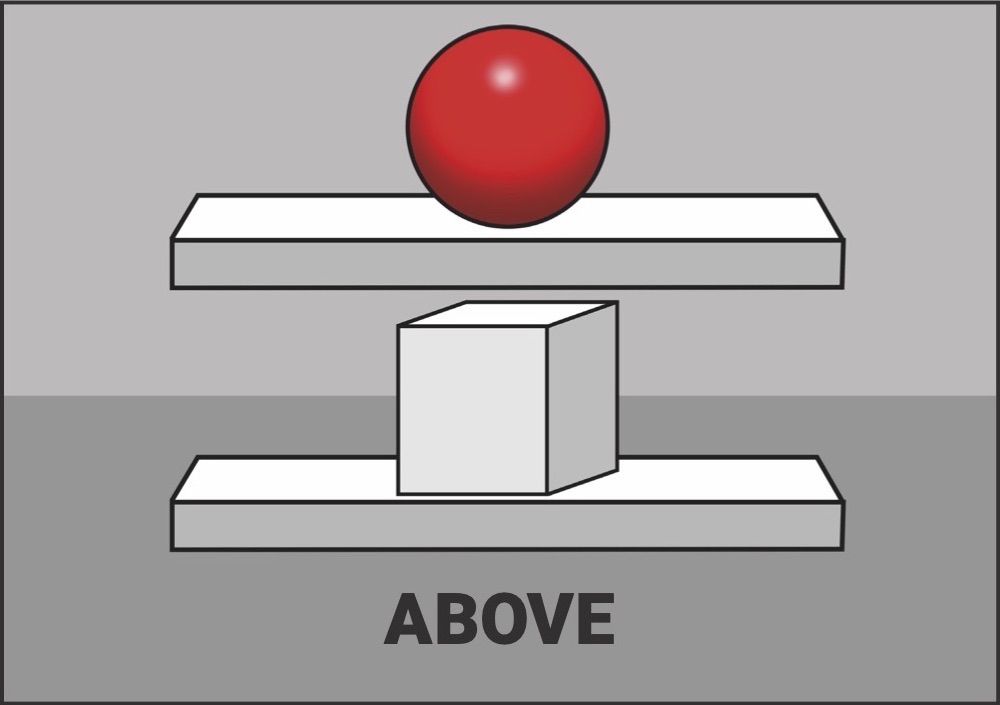
The ELSA positional language cards are a great activity to teach children about the meaning and application of these words. These cards complement App 2: Location and Arrangement.
Australian bird game – guess who it is
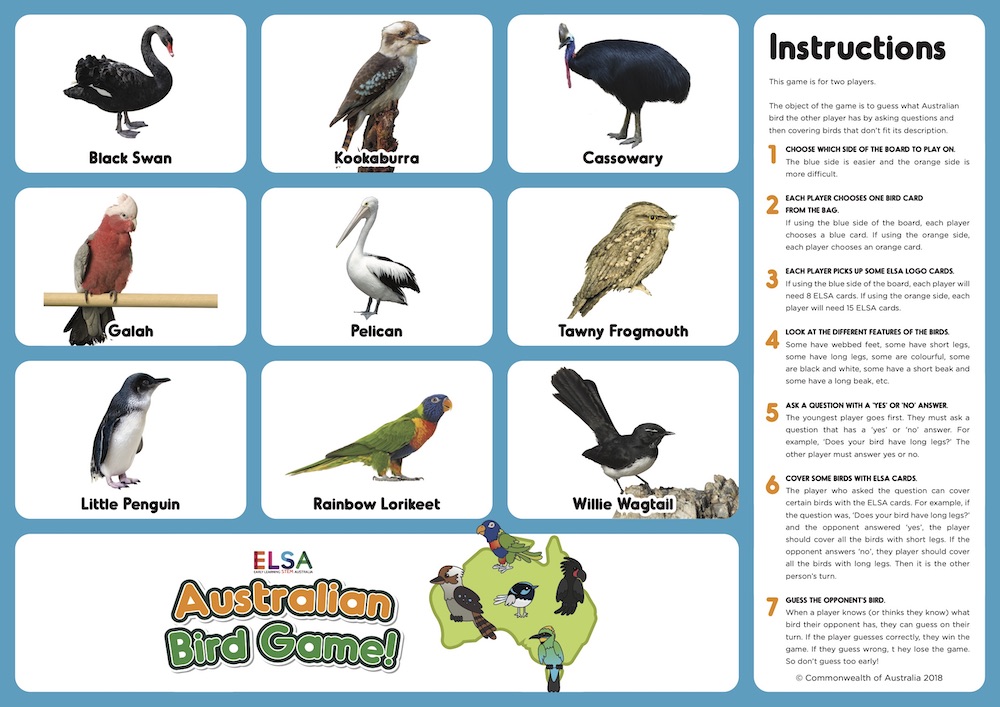
In the ELSA bird game, children have to work out which bird card their opponent is holding. In a similar fashion to the ‘Guess Who’ game, players ask each other questions and rule out different birds as they gather information.
Decoding card game
The ELSA decoding card game features two sets of cards—symbol cards and picture cards—that children can use to play Snap, Fish or Memory. Before playing a game, educators can discuss why we use symbols and ask children where they have seen symbols before.

Augmented reality (AR) cards
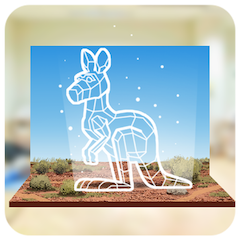
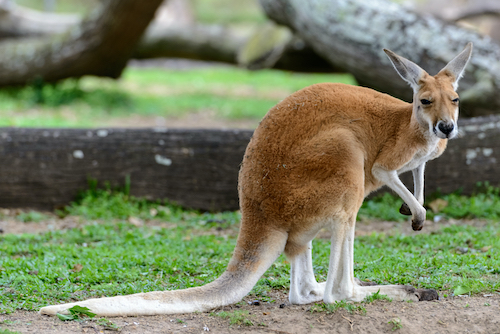
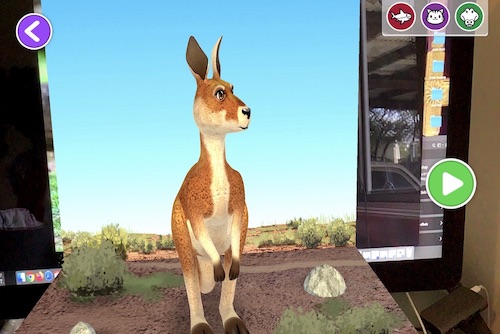
Children can play ‘hide and seek’ in app 2: Location and Arrangement with the ELSA augmented reality (AR) cards. These cards feature six Australian animals, including a kangaroo. Once they have found the card, they can use the tablet to scan the card and see the animated animal!
ELSA character plush toys
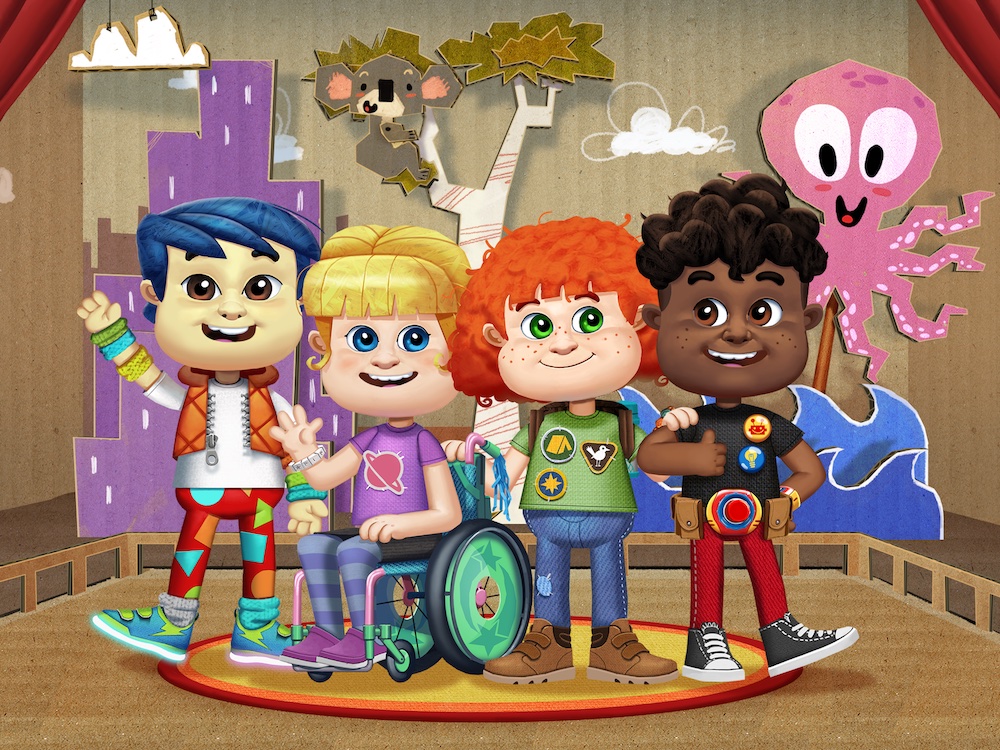
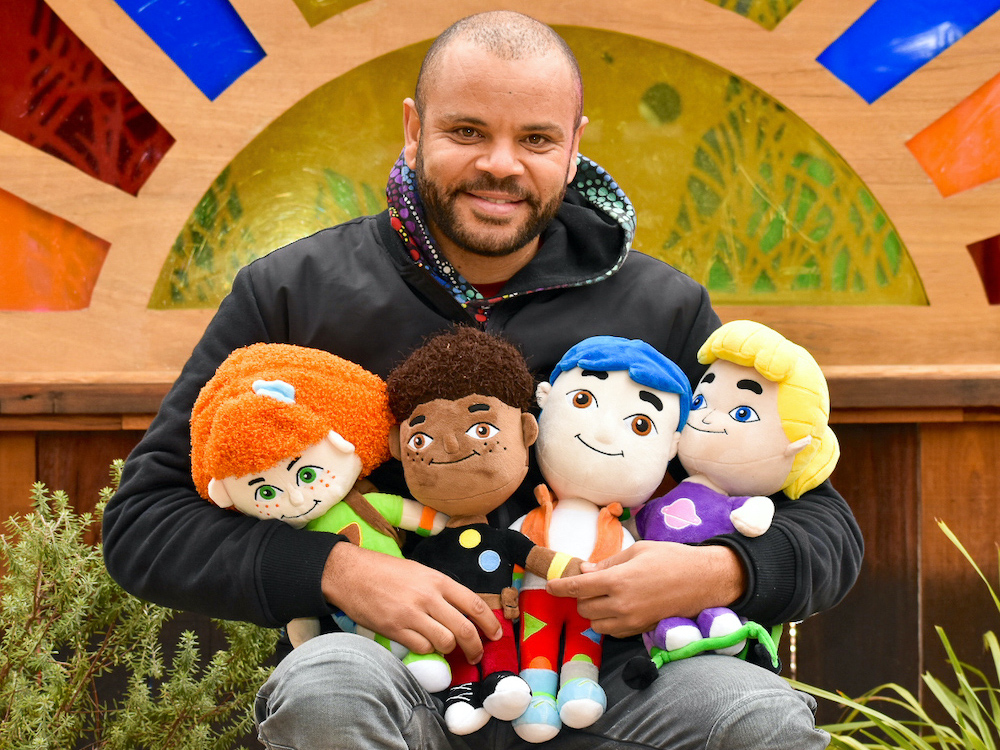
We have created plush toys (‘Budsies’) of each of the ELSA characters that lead children through the apps: Amy, Elliot, Remy and Piper. Children can use these toys to play off-app ELSA activities in the classroom.